


All Solar
Solar Christmas lights are the ultimate set-and-forget outdoor decorating solution — no wiring, no power bills, no extension cords snaking across the lawn. Just stake them in, let the panel soak up the Australian sun, and your garden comes alive at dusk. With everything from fairy string lights to full 3D reindeer figures, Christmas World's solar range covers every corner of your outdoor display.

240 LED Solar Warm White Fairy Lights (11.9m)


Solar Santa with Train PVC Laser Path Lights (4pc)

Solar Santa with Sleigh PVC Laser Path Lights (4pc)


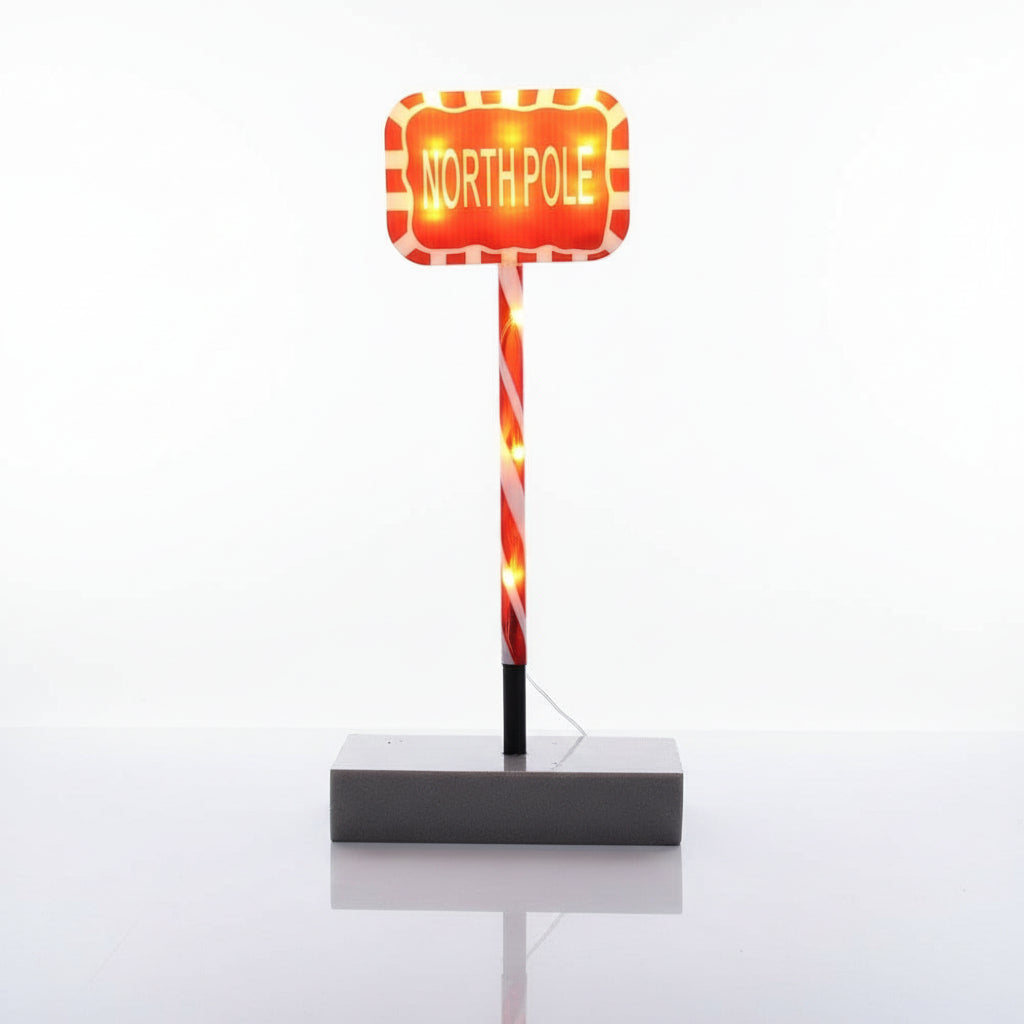


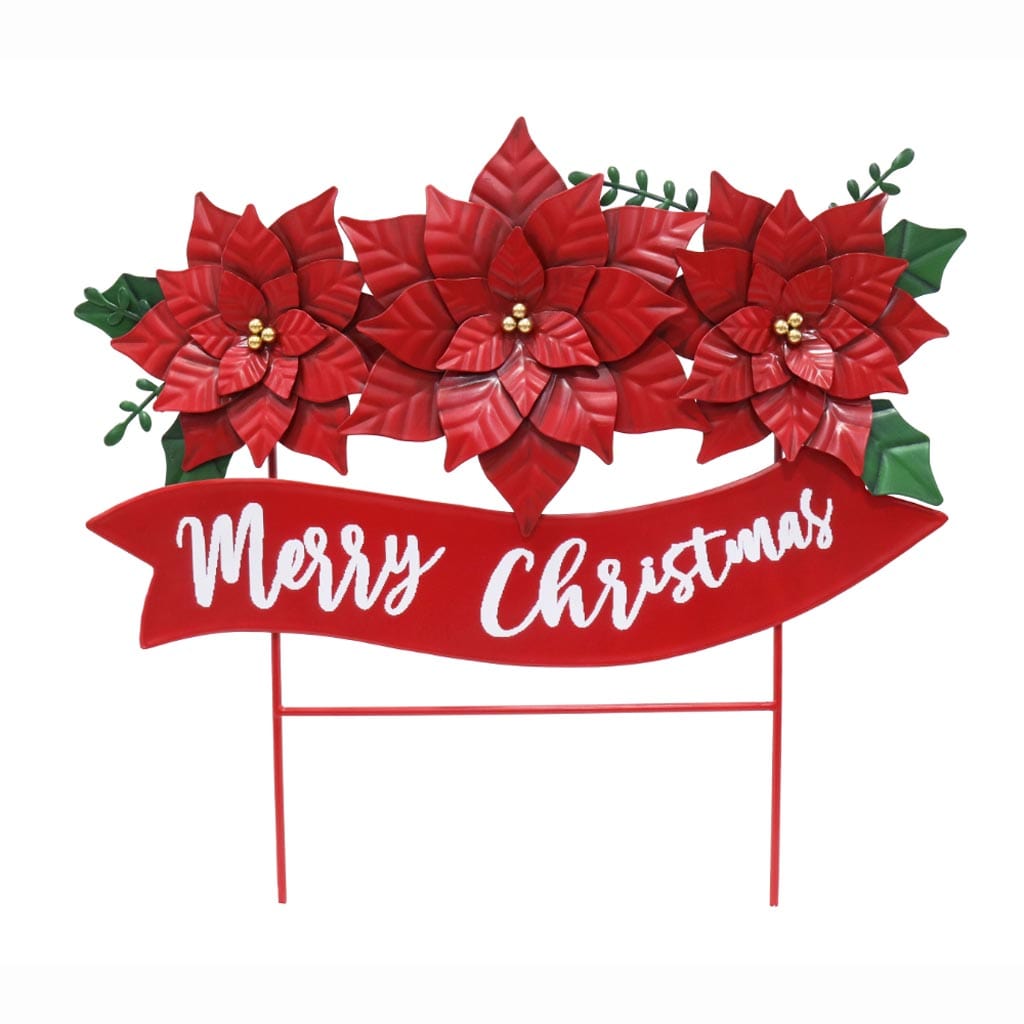


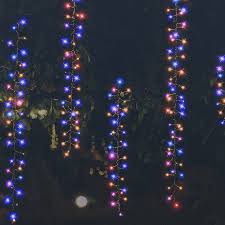
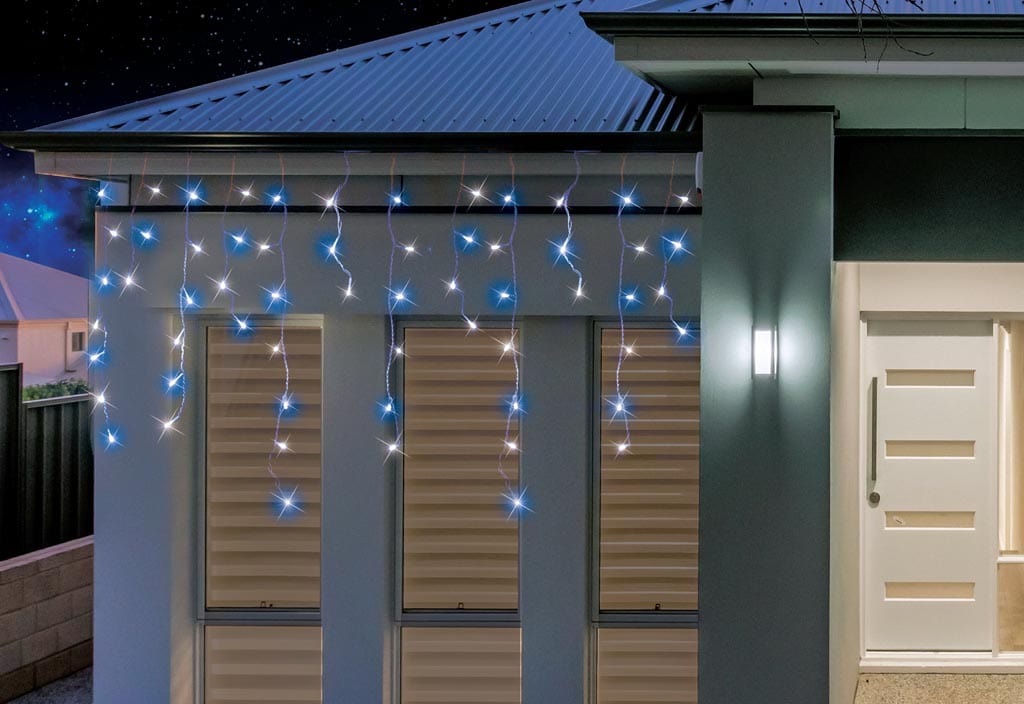
480 LED Solar Icicle Clusters Carnival (10m)




Shop All Solar Lights by Type

Solar Fairy Lights
Delicate solar-powered string lights for wrapping trees, fences, and pergolas in a warm glow that costs nothing to run.

Solar Icicle Lights
Cascading icy strands that turn your roofline and gutters into a solar-lit winter wonderland — no ladder-bound power cords required.

Solar Rope Lights
Flexible tubes of LED light for outlining pathways, deck railings, and garden borders without a single power point nearby.

Solar Cluster Lights
Ultra-dense solar garlands that drape trees and verandahs in a rich ribbon of continuous sparkle, all charged by daylight.

Solar Garden Lights
Decorative stakes and lanterns that bring flower beds and lawns to life after dark on zero electricity.

Solar Pathway Lights
Stake-mounted guides that turn dark driveways and garden paths into a welcoming lit corridor for guests.

Solar Light Displays
3D solar motifs and light-up sculptures that bring instant festive character to your front yard, no power lead in sight.

Solar Characters & Figures
Santa, reindeer, and snowman solar sculptures that charge by day and glow by night — a kid favourite every time.

Solar Stakes
Slim solar spike lights for marking garden edges and plant beds with a gentle upward wash of light.

Solar Christmas Decorations
Hanging solar baubles, crystal balls, and bubble balls for adding sparkle to trees and pergolas after sunset.
About Solar Christmas Lights at Christmas World
There's something deeply satisfying about solar Christmas lights. You stick them in the ground, walk away, and somehow your whole garden is glowing that night — no electrician, no triple-quad adapters, no panic about whether the extension cord is rated for outdoor use. In Australia, where the long summer days give solar panels plenty to work with, they're honestly a no-brainer for outdoor decorating.
At Christmas World, we've pulled together over 250 solar products across ten categories — from the classic solar fairy lights everyone wraps through their pergola to bold 3D solar displays that stop traffic on your street. Every light in the range runs on a built-in solar panel with rechargeable battery, meaning once it's in position, you never think about it again. The sun does the work. You get the credit.
Solar lights also pair beautifully with our mains-powered Christmas lights for a layered effect — use solar for the far corners of the yard where power doesn't reach, and plug-in lights for the areas close to the house. The result? A display that looks intentional, not patched together.
How to Choose the Right Solar Christmas Lights
Brightness and LED Count
Solar lights have come a long way from the dim novelty stakes of the early 2010s. Modern solar LEDs are surprisingly bright, but count still matters. A string of 100 LEDs will give a soft, ambient glow — lovely for wrapping a small tree. For something that reads from the street, look for 200+ LEDs or cluster-style lights that pack hundreds of bulbs into a compact garland.
Panel Quality and Charging Time
The solar panel is the engine. A larger panel charges faster, which means more reliable light even on overcast days. Look for panels with at least 2V output for string lights, and 5V+ for larger displays. Most panels need 6-8 hours of direct Australian sun to fully charge — which, in a Sydney summer, is basically a given.
Runtime
How long do they actually stay lit? Most quality solar lights run for 6-10 hours on a full charge — enough to cover from dusk (around 8pm in December) until well past midnight. Cheaper units might only manage 4-5 hours. Check the specs, and remember: the entire solar range at Christmas World lists realistic runtimes in each product description.
Weather Resistance
Australian summers aren't all sunshine — we get spectacular thunderstorms too. Look for an IP rating of IP65 or higher for full outdoor durability. Every solar light in our range is rated for outdoor use, but if you're in a particularly exposed spot (think: beachfront with salt spray), bring them in during severe weather.
Light Modes
Many solar lights come with multiple modes — steady, slow fade, fast flash, chasing. Steady is classic and elegant. Flashing modes are great for character figures and displays where you want movement. Some controllers remember your last setting, so you set it once and forget.
Comparing Solar Light Types
Quick Tips for Solar Christmas Lights
- Position solar panels facing north (or the sunniest direction) for maximum charge — a few hours of shade can cut runtime noticeably.
- Wipe panels with a damp cloth every couple of weeks. Dust and pollen are the silent killers of solar performance.
- Test lights before installation by covering the panel with your hand — the light sensor should trigger immediately.
- Angle the panel at roughly 30-45 degrees to catch the afternoon sun, not flat on the ground.
- If your lights have a removable battery, swap it out every 2-3 seasons. A fresh rechargeable AA or AAA costs a few dollars and doubles your runtime.
- Avoid placing panels under tree canopies or eaves — even partial shade can reduce charging by 50% or more.
How to Set Up Your Solar Christmas Lights
Planning Your Layout
- Walk your yard in the daytime and note where the sun hits hardest — that's your prime solar panel real estate.
- Sketch a rough plan: which features (trees, paths, roofline) you want to light and which solar type suits each.
- Measure distances from sun-soaked spots to your display areas. Most solar lights have 1-3m of cable between panel and first LED.
Installing String and Rope Lights
- Wrap solar fairy lights around branches or railings, spacing evenly as you go.
- Secure with cable ties or light clips — never staple or nail through the wire.
- Mount the solar panel in the sunniest nearby spot, facing north, using the included ground spike or wall bracket.
- Switch the panel on and cover it with your hand to confirm the lights activate.
Installing Pathway and Stake Lights
- Push each solar pathway light into soft ground along your path, spacing roughly 1-1.5m apart.
- For hard ground, pre-drill with a thin screwdriver or water the spot first — don't force the stake.
- Keep the panel area clear of mulch, foliage, or anything that'll cast shade.
- Turn each unit on (most have a small switch on the panel housing) and leave them to charge for a full day before your first evening display.
Caring for and Storing Your Solar Christmas Lights
During the Season
- Clean panels every 2-3 weeks with a soft, damp cloth — bird droppings and leaf sap will block charging.
- Check connections after heavy wind or storms. Re-seat any panel that's shifted on its spike.
- If lights start dimming earlier than usual, it's usually the battery, not the LEDs. Try a fresh rechargeable.
Packing Away After Christmas
- Remove batteries from all units before storing. Left in, they'll corrode over 10 months in a shed.
- Wind string lights onto a reel or piece of cardboard — never stuff them in a bag tangled.
- Store in a dry, cool place. The storage solutions we carry for Christmas trees work great for light reels too.
- Label each set with tape so next December's you isn't playing guessing games.
Solar Christmas Lights Safety Tips
One of the best things about solar lights is that they're inherently low-voltage — no 240V mains, no electrician, no RCD concerns. But a few common-sense rules still apply:
- Don't submerge solar panels in water. They're weather-resistant, not waterproof.
- Keep panels away from pool edges and sprinkler spray zones.
- If a cable is damaged, don't use the set. Solar or not, a short circuit can still generate heat.
- Secure loose cables along the ground with stakes or tape so nobody trips over them in the dark.
- If you're mounting panels on a roof, use proper brackets — don't just wedge them under tiles.
Complete the Look
- Pair solar pathway lights with 3D solar displays for a layered front yard scene.
- Wrap artificial Christmas trees in mains-powered lights indoors, and keep solar for the outdoor spaces where they shine.
- Add mains-powered Christmas lights near the house and solar lights for the far corners of the garden.
- Frame your front entrance with tree toppers and solar icicle lights for a complete seasonal look.
- Don't forget a tree skirt and tree stand if you're putting up a real or artificial tree as the centrepiece.
- Planning a full outdoor spectacle? Browse our 3D trees and real Christmas trees to anchor the display.
Tips & Guides
-

How To Attach Christmas Lights To Roof
Everything you need to know about safely mounting lights along your roofline — including how to pair solar icicle lights with clip-on options.
-

How To Set Up Christmas Lights Outdoors
A complete walkthrough for planning, installing, and troubleshooting an outdoor lighting display — solar and mains combined.
-

The Best Christmas Display Ideas For Indoor & Outdoor Spaces
Real-world inspiration for combining solar garden lights, pathway lights, and 3D figures into a cohesive display that wows the neighbourhood.
Frequently Asked Questions — Solar Christmas Lights
How long do solar Christmas lights stay on?
On a full charge, most quality solar lights run for 6-10 hours. In an Australian summer, where panels get plenty of daylight, you can expect them to come on around dusk and last until past midnight. Lights with larger panels and higher-capacity batteries will run longest.
Do solar Christmas lights work on cloudy days?
Yes, but with reduced runtime. Solar panels still generate power on overcast days — roughly 20-40% of what they'd produce in full sun. After a heavily overcast day, your lights may only run for 3-4 hours instead of the usual 8.
How long does it take to charge solar lights?
Most solar Christmas lights need 6-8 hours of direct sunlight to fully charge. In Australian summer conditions, that's easily achievable between morning and mid-afternoon. Panels placed in partial shade will take longer or may not fully charge at all.
Can I leave solar lights out in the rain?
Yes. All solar lights in the Christmas World range are rated for outdoor use (IP65 or higher). They're designed to handle rain, humidity, and the occasional summer storm. Just avoid submerging the panel in standing water or placing it where a sprinkler hits it directly every day.
Why are my solar lights not working?
The most common cause is the panel being in shade. Check that no foliage, furniture, or structures have grown or shifted to block the sun. Second, try replacing the rechargeable battery — they degrade over 1-2 years. Third, clean the panel surface. If none of that works, the light sensor (a small dot on the panel) may be dirty — wipe it gently.
Can I replace the batteries in solar Christmas lights?
In most cases, yes. Many solar lights use standard AA or AAA rechargeable NiMH batteries that you can swap yourself. Some sealed units don't have replaceable batteries, but the majority of our range does. Check the product description or packaging for battery type.
Do solar lights need direct sunlight or is shade okay?
Direct sunlight is strongly preferred. Solar panels in shade typically charge at 20-50% of their full capacity, which means shorter runtime or no light at all. If your display spot is shaded, look for lights with a detachable panel on a long cable — you can position the panel in the sun and the lights in the shade.
What's the difference between solar and battery-operated Christmas lights?
Solar lights charge themselves during the day and run for free at night — truly set-and-forget. Battery-operated lights need fresh batteries every few days but can be placed anywhere, including fully shaded areas and indoors. Solar is best for outdoor displays; battery is best for flexibility.
How do I store solar lights after Christmas?
Remove the batteries, clean the panels, wind up any strings carefully, and store everything in a dry, cool place. Keep panels out of direct sunlight during storage — prolonged UV exposure degrades the panel over years. Label each set so you know what goes where next December.
