


Christmas Rope Lights
Rope lights encase LEDs inside a flexible plastic tube, making them perfect for outlining rooflines, pathways, fences and garden beds — or bending into shapes and motifs. Christmas World stocks 2-wire (static) and 3-wire (chasing) LED rope lights in a range of colours, with controllers for chasing effects. Cuttable, connectable and outdoor-rated. Shop the full range below or use our guide to choose the right type for your display.

LED Flashing White Ropelight (30m)

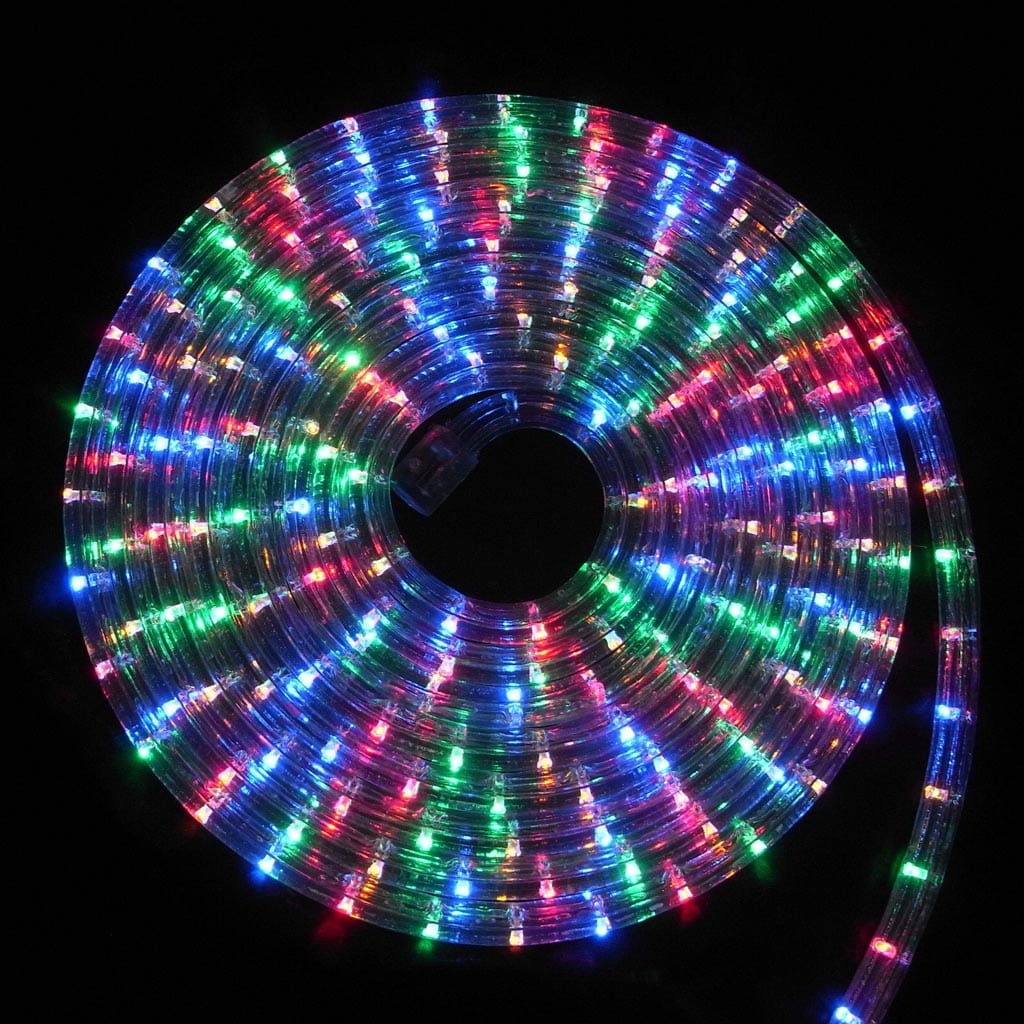
LED Flashing Multicoloured Ropelight (30m)

LED Flashing Candy Tubelight (8m)

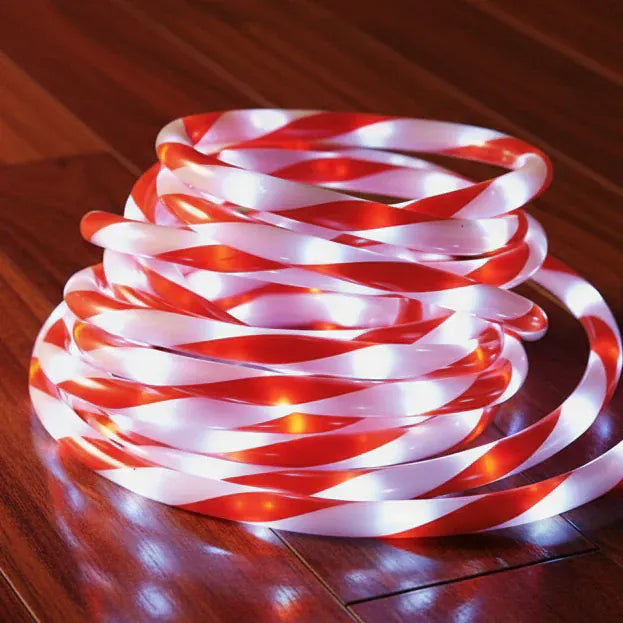
LED Candy Flashing Ropelight (20m)

LED Ropelight Moving Standing Reindeer Cool White (70cm)

LED Ropelight Moving Feeding Reindeer Cool White (70cm)

LED Surfing Santa Ropelight Motif (70cm)

LED Jolly Santa Twinkling Ropelight (1.1m)

LED Ropelight Twinkling Snowflake Cool White (68cm x 63cm)

LED Ropelight Double Reindeer and Sleigh Twinkling Motif

LED Ropelight Wreath with Flashing Bells (79cm)

LED Ropelight Multicolour (20m)

LED Ropelight Flash Connectable Cool White (9m)

LED Ropelight Flash Connectable Warm White (9m)

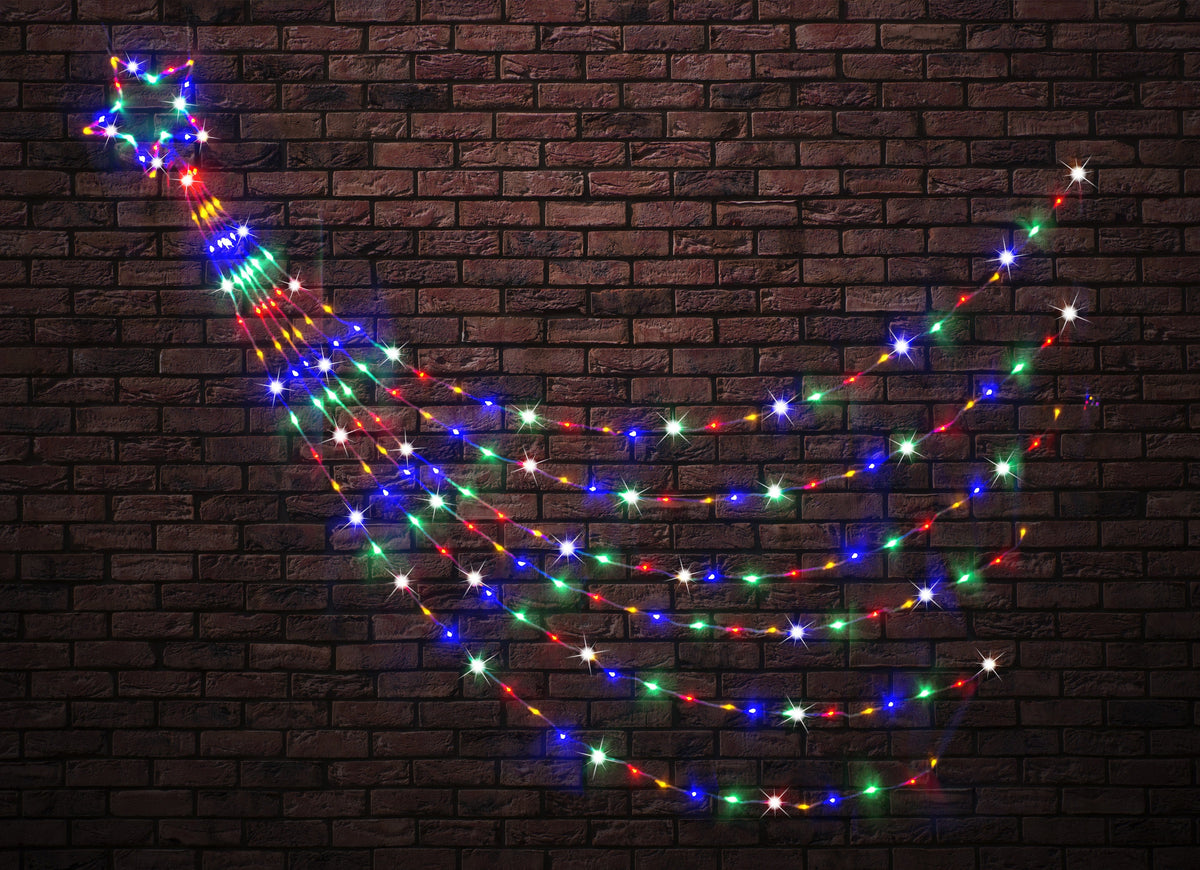
200 LED Multi Waterfall Star (3m)


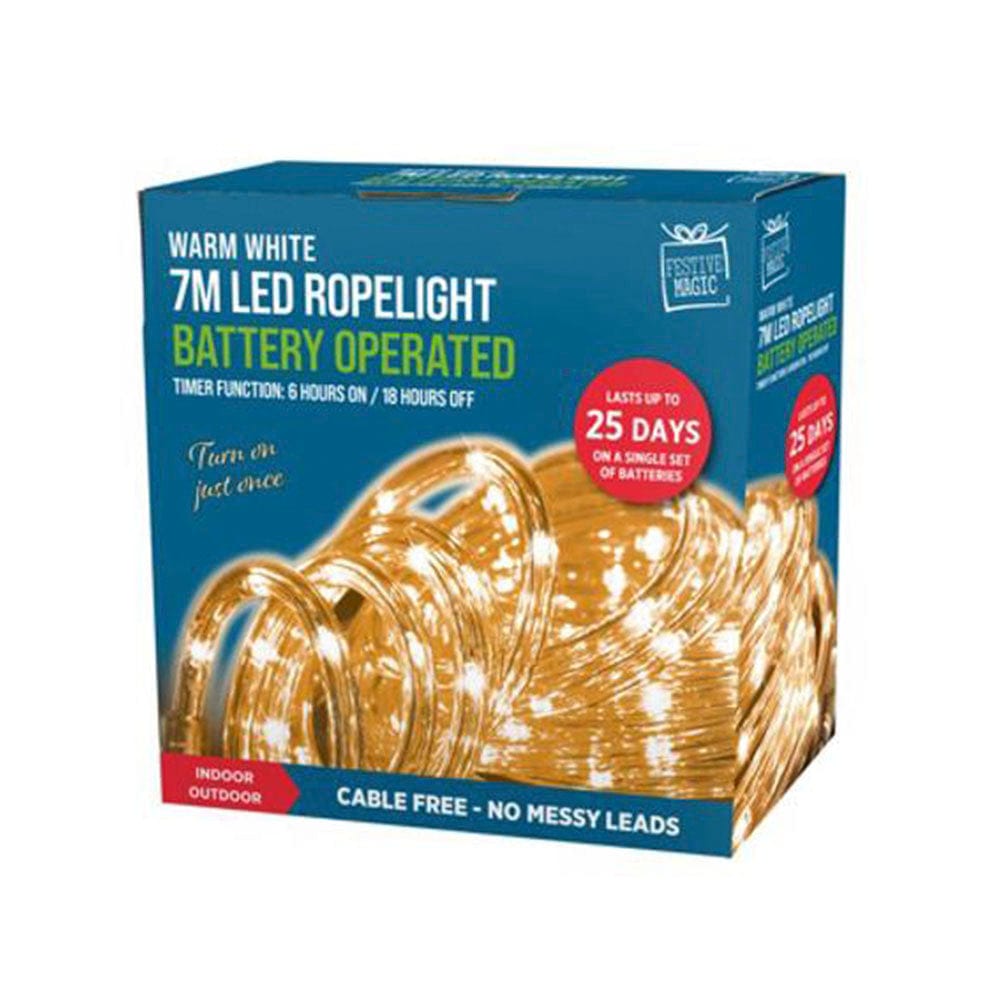
Battery LED Ropelight Timer Asst (7m)

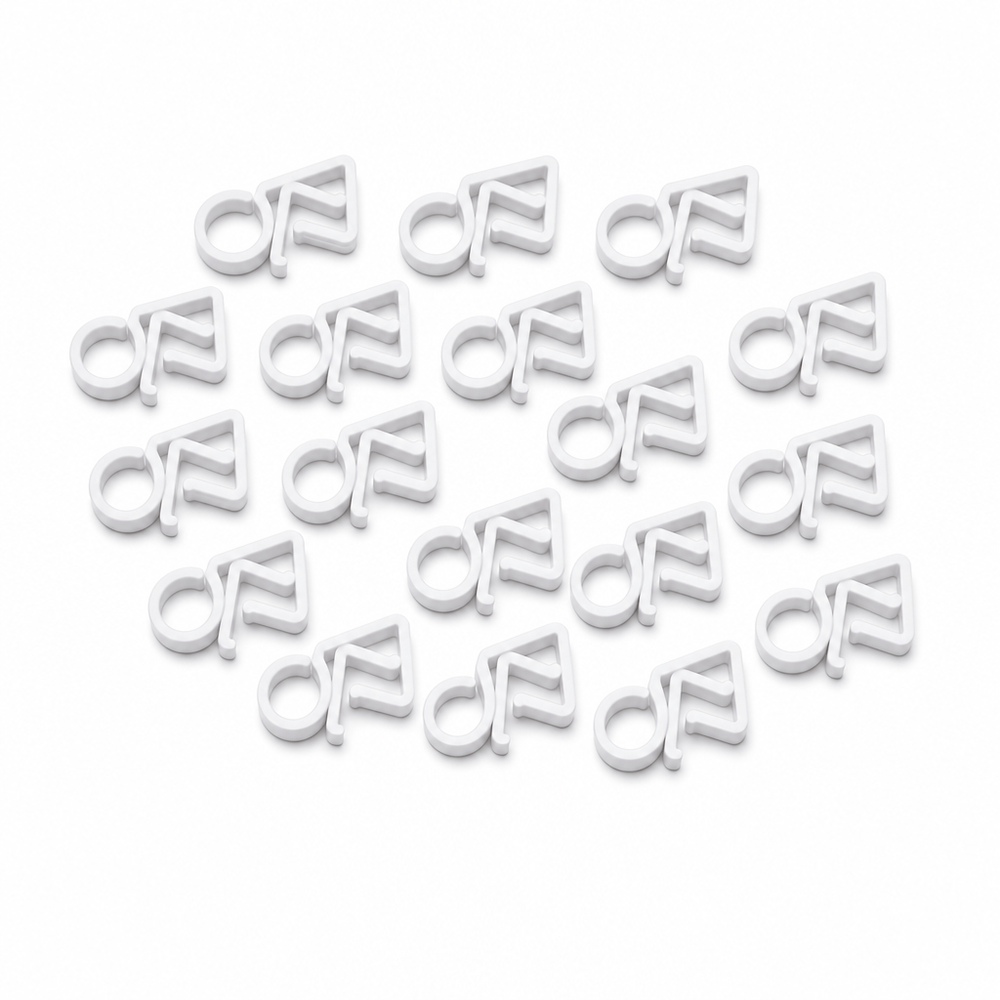
Ropelight Gutter Hooks (50pk)

LED Solar Flashing Tubelight 3D Star Multicolour

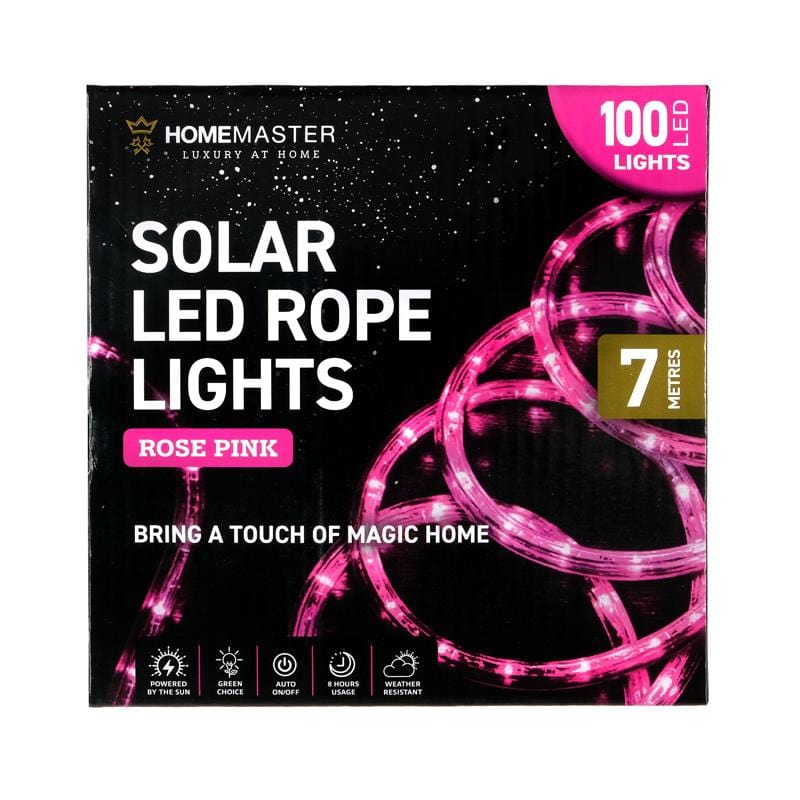
100 LED Pink Solar Rope Light (7m)
Christmas Rope Lights: Flexible LED Outlines for Edges, Rooflines & Pathways
Rope lights are LEDs sealed inside a flexible PVC tube, producing a continuous line of light that bends around corners and curves. Unlike fairy string lights, which produce points of light at individual bulb positions, rope lights create a solid, unbroken glow along the length. This makes them the standard for outlining straight edges, following rooflines, tracing deck railings, and running pathway borders. If your display involves following a line rather than wrapping an object, rope lights are the correct tool.
Shop Rope Lights by Colour


How Rope Lights Differ from String Lights
The distinction matters more than it sounds. Fairy and string lights have individual LEDs spaced along a wire. You see points of light with dark gaps between them. Rope lights have LEDs packed inside a diffusing tube that merges the points into a continuous line. The visual effect is fundamentally different: strings give sparkle, rope gives outline.
When to Use Rope Lights
Use rope lights when you want to follow a line: roof edges, gutter runs, deck railing tops, pathway edges, stair stringers, and window reveals. The continuous light defines the architectural line clearly at distance.
When to Use Fairy Lights Instead
Use fairy lights when you want to wrap or drape: tree branches, garlands, wreaths, garlands, and free-form swags. The spaced bulbs read as scattered sparkle, which is what wrapping needs. Rope lights wrapping a tree branch look like a solid tube, not sparkle.
Connectable Rope Light Systems
The connectable rope light range allows multiple sections to join end to end from a single power source. Each section is 9 metres and has a male connector at one end and a female at the other. This makes longer runs possible without separate power points at each section. A 27-metre roofline can be lit with three connected sections from a single power point.
The practical limit is the transformer capacity. Check the maximum total length for a single transformer before chaining. Exceeding the maximum run causes the LEDs at the far end to dim or the safety circuit to trip. For runs over 30 metres, a second transformer from a separate power point is more reliable than pushing a single circuit beyond its rating.
Outdoor Rope Light Installation
Rope lights are rated for outdoor use with an IP rating on the tube and connections, making them the go-to for exterior structure outlining. The installation technique determines whether the display looks professional or amateur.
Mounting Clips and Channels
Use plastic mounting clips designed for rope light diameter. These screw or adhesive-mount at intervals along the line and hold the tube securely without crushing it. Do not staple or nail through a rope light, as this damages the internal LED wiring and creates a short.
Following Rooflines and Gutter Edges
For gutter edges, clip the rope light along the fascia board below the gutter. The even, continuous line follows the architecture. Avoid sagging between clips by spacing clips every 30cm.
Pathway and Driveway Borders
Run rope light along pathway edges using ground-mounted clips or stakes. The continuous glow marks the path clearly and safely at night. A solar rope light option eliminates the need for a mains power point near the pathway.
Bending Around Corners
Rope lights have a minimum bend radius. Do not fold the tube sharply, as the internal LEDs can separate from the wire at crease points. Form corners with a gradual curve rather than a right-angle fold.
Solar vs Mains-Powered Rope Lights
The power source determines installation flexibility and ongoing maintenance.
Mains-Powered Rope Lights
Mains-powered rope lights deliver consistent brightness regardless of weather or charge level. They need an outdoor power point and weatherproof connections. The brightness is higher than solar, and the light is constant without dimming. Choose mains for rooflines and displays where a power point is accessible.
Solar-Powered Rope Lights
Solar rope lights charge a battery from a solar panel during the day and light automatically at dusk. They need no power point, making them ideal for remote pathway and garden edge installations where mains access is impractical. Brightness is lower than mains, and dimming occurs after cloudy days when the charge is reduced. Build in one to two hours of runtime less than the full night during the festive season when solar input is at its peak.
Choosing Rope Light Colour
Rope light colour affects the display mood more than with fairy lights, because the solid line reads as a strong colour block. Warm white is the most versatile choice, pairing with any decoration scheme and providing a clean, architectural line. Multicolour rope light creates an immediately festive look without needing additional decoration. Single colour options in red and green are popular for themed displays and roofline outlining where one colour reinforces a colour story already running through the decoration scheme.
Frequently Asked Questions — Christmas Rope Lights
Can rope lights be cut to length?
Connectable rope lights can only be cut at marked cutting points on the tube. Cutting between these points damages the internal wiring. Plan your run length around the available 9 metre sections and connect multiples rather than cutting to exact length.
Are rope lights waterproof for outdoor use?
Rope lights rated for outdoor use have sealed connections and an IP rating on the tube. Check each product specification for the IP rating. The power connections at each end need weatherproof covers or must be housed indoors.
How long do LED rope lights last?
LED rope lights are rated for tens of thousands of hours of operation. Seasonal use over several weeks per year means the LED lifespan far exceeds the practical life of the installation. Common failure points are the power connections and transformer, not the LEDs themselves.
Can I connect different colours of rope light together?
Yes, connectable rope light sections of different colours can be joined on the same run, provided they are the same voltage and connector type. Mixed colour runs are popular for themed displays.
How do I mount rope lights without screws?
Use adhesive-backed mounting clips rated for outdoor surfaces. Clean the mounting surface thoroughly before applying. For smoother surfaces like painted fascias, adhesive clips hold well through the festive season.
Do solar rope lights stay bright all night?
Solar rope lights run for 6 to 8 hours from a full day charge. On cloudy days, brightness and runtime reduce. For consistent brightness every night, mains-powered rope lights are the better choice.
What is the difference between rope lights and string lights?
Rope lights create a continuous line of light inside a tube, ideal for outlining edges. String lights produce individual points of light along a wire, ideal for wrapping and draping. The two serve different display purposes.
