

Quick answer: keeping solar lights glowing all summer
Solar lights rely on daily direct sunlight to charge internal 1.2V NiMH batteries, with rechargeable cells typically lasting 1 to 2 seasons before needing a simple like-for-like swap. Position panels in open, north-facing spots receiving at least four hours of direct sun daily, wipe away dust monthly using mild soapy water, and keep sensors clear of ambient porch lighting. When storing off-season, switch every unit off, remove the batteries, and store everything in a cool, dry place to protect the electronics.
Solar Christmas lights are the closest thing to a set-and-forget decoration you'll ever own. The sun does the charging, a sensor turns them on at dusk, and night after night your pathways, gardens and verandahs glow without touching a power point. But if you've ever pulled last season's solar stakes out of the box to find half of them dead by Christmas Eve, you'll know a little care goes a long way. This guide covers everything — first-time setup, placement, battery replacement, troubleshooting and off-season storage — so your solar Christmas lights shine brightly for many seasons.
How Solar Christmas Lights Actually Work
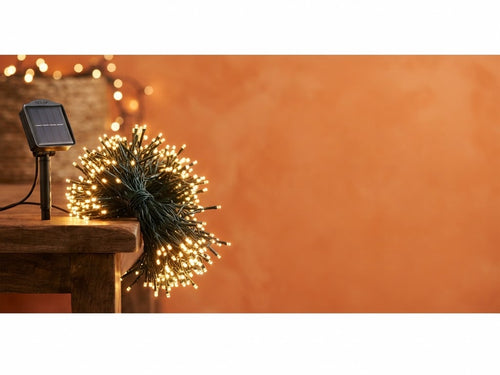
Every solar light runs on the same simple loop. During the day, the small photovoltaic panel converts sunlight into electricity, which charges a rechargeable battery inside the unit. A light sensor (photocell) notices when the sun goes down and switches the LED bulbs on, running them off the stored charge. When the sun rises, the light switches off and the battery tops itself up again.
Understanding that loop makes every care tip in this guide obvious: the panel needs sun, the battery needs to hold that charge, and the sensor needs to sense real darkness. When a solar light fails, it's almost always one of those three things — and all three are fixable.
First-Time Setup: Getting the Best Out of the Box
Brand-new solar lights rarely perform at their best on day one. The batteries ship partially charged (or with an insulating tab to prevent drain in transit), and they need a couple of full sun cycles before they reach full capacity. Set yourself up for success with this routine:
- Switch the unit on before you position it — many solar lights ship with the switch off, and it's the most common "fault" we hear about.
- Give the lights one to two full days of direct sunshine before you judge their brightness. First-night performance is never a fair test.
- Choose your position with sun exposure in mind — north-facing spots in the open work best in most Australian gardens.
- Test the sensor by covering the panel with your hand: the light should flicker on within seconds. If it does, everything is working.

Placement Tips for Maximum Glow
Where you put your solar lights matters as much as how you care for them. Even the healthiest battery can't compensate for a panel sitting in shade all day.
- Chase the sun hours. Panels need direct sunlight — not just daylight — for most of the day. A spot that's shaded by a fence, tree or eave by 2pm will undercharge the battery every single day.
- Avoid ambient light. A sensor sitting near a porch light or street light may never "see" nightfall. Position sensors away from other light sources, or the light will stay off or flicker.
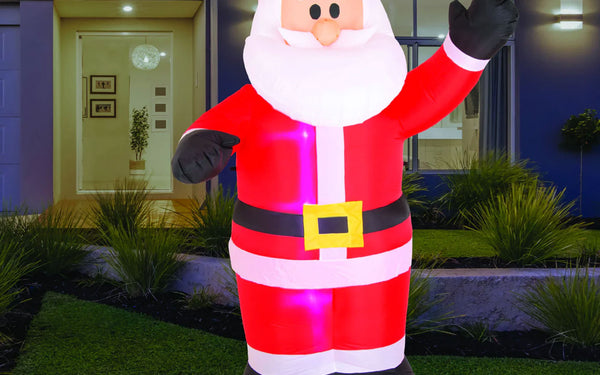
- Mind the summer storms. Stake lights are weather-resistant, but in heavy rain and wind it pays to move portable lights like solar figures and displays under cover.
- Mark the spots. Before any garden maintenance — mowing, hedge trimming, mulching — mark where your stakes sit. A whipper snipper is the natural predator of solar stake lights.
Cleaning and Panel Care
Solar panels are magnets for dust, pollen, bird droppings and garden debris — and a dirty panel can cut charging efficiency dramatically. Once a month during the season, give the panels a gentle wipe with a soft cloth and mild soapy water, then dry them. Skip the harsh chemicals and abrasive scourers: they scratch the panel's surface and permanently cloud it. If you live somewhere dusty or near the coast (salt spray is relentless), clean more often — every couple of weeks is a good rhythm over summer.
While you're cleaning, check the light housings too. Clear away cobwebs, leaves and grass clippings, and make sure the sensor lens is clean, as a smudged sensor behaves just like a faulty one.
- Tilt for winter sun. In June the sun sits low in the sky — angle your panels steeper to catch it.
- Date your batteries. Write the install date on each with a permanent marker so you know when they're due.
- Keep spares charged. A spare set of rechargeables in the drawer means instant mid-season swaps.
- Wipe after windy days. Dust and pollen settle on panels fast after storms and dry gusts.
- Photograph your layout. Snap the display at pack-up — next year's setup takes half the time.
- Do a November test run. Put the lights out two weeks before Christmas so batteries are full strength.
Battery Care: The Number One Failure Point
When solar lights stop working after a year or two, it's almost always the battery — and the good news is it's the cheapest, easiest fix in this guide.
Most solar Christmas lights use rechargeable AA or AAA batteries (usually 1.2V NiMH). They last roughly one to two years of regular use before their capacity fades, which shows up as lights that glow dimly, fade by 9pm, or don't last the night. Here's how to keep them healthy:
- Replace like for like. Always use rechargeable batteries — never standard alkaline batteries. Alkalines can't handle the daily charge cycle, may leak, and in some units can cause permanent damage.
- Check the terminals. A white, crusty build-up on the terminals is corrosion. Clean it gently with a soft brush and a dab of white vinegar on a cloth, then dry thoroughly before inserting new batteries.
- Watch for the warning signs. Dim output, shorter run times and flickering all point to a tired battery before they point to a broken light.
- Match the mAh. When replacing, choose batteries with similar capacity (mAh) to the originals — higher is fine, but avoid cheap low-capacity cells.

Troubleshooting: When Solar Lights Won't Work
Before you bin a "dead" light, run through these checks in order — the fix is nearly always in the first three.
The light doesn't turn on at all
Check the switch is on, pull any battery insulating tab, and cover the panel fully to test the sensor. Still nothing after a full day's sun? Open the battery compartment and test with fresh rechargeables — a corroded or dead battery is the culprit about 80% of the time.
The lights are dim or fade early
This is classic undercharging. Ask three questions: is the panel getting 4+ hours of direct sun? Is the panel clean? Are the batteries more than a season or two old? Fix the placement first, clean the panel, then replace the batteries if it's still lacklustre.
The lights stay on during the day
The sensor thinks it's dark — usually because of dirt or a sticker over the sensor, or a nearby shadow. Clean the sensor lens and relocate the unit away from shade. On some models a small "test" button or mode stuck on demo can cause this too.
The lights flicker or cut out
Flickering usually means a loose battery connection or moisture inside the compartment. Open it up, check the terminals are clean and tight, and let any condensation dry before resealing. Make sure the compartment cover clicks fully closed when you reassemble.
One section of a string is out
Solar string lights chain through the string, so one damaged section can black out everything after it. Inspect the cable for kinks, cuts or signs of animal damage, and re-route the string so it isn't pinned under pots or furniture.
Off-Season Storage: Make Them Last Years
How you store solar lights between Christmases matters more than anything you do during the season. Sun, heat and moisture are the enemies of stored electronics, so a few minutes of care in January buys you years of life.
- Switch every unit off before packing — a light left on will drain its battery flat in storage, and fully drained batteries degrade fastest.
- Remove the batteries from each unit and store them separately in a cool, dry spot. A flat battery left inside for eight months may leak and corrode the terminals.
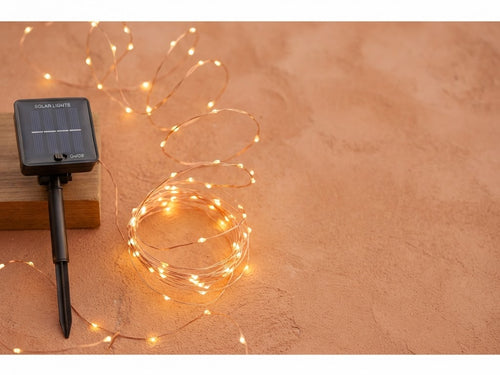
- Coil string lights loosely around a spool or a piece of cardboard — never tightly wound — to protect the internal wiring.
- Pack everything in a sealed, labelled container away from the garage roof cavity and shed windows, where summer heat cooks electronics.
- In early November, fit fresh batteries where needed, give the panels a wipe, and put them out two weeks before Christmas to charge while you decorate.
Damage from improper use — water in the motor, crushed panels, torn cables — isn't covered by the manufacturer's warranty, so a little care at pack-up time genuinely is money in your pocket.

Solar Lights vs Traditional Lights
If you're weighing up whether solar is right for your display, here's how the two compare side by side:
Plenty of households mix both: solar for the garden, and mains Christmas lights for the roofline and tree. If you're running long cable runs, our battery-operated range covers the spots solar can't reach.
Ready to Shop Solar?
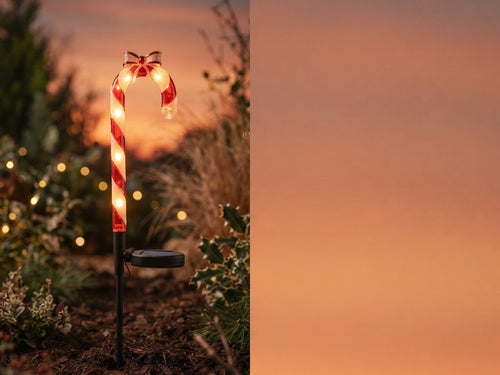
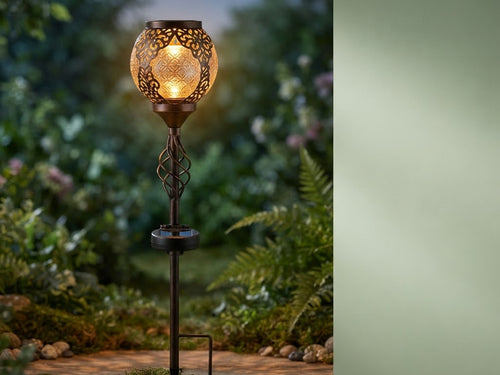
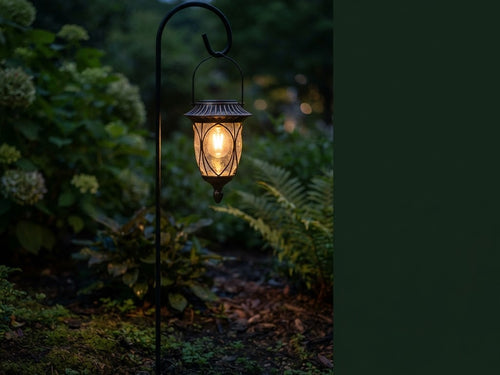
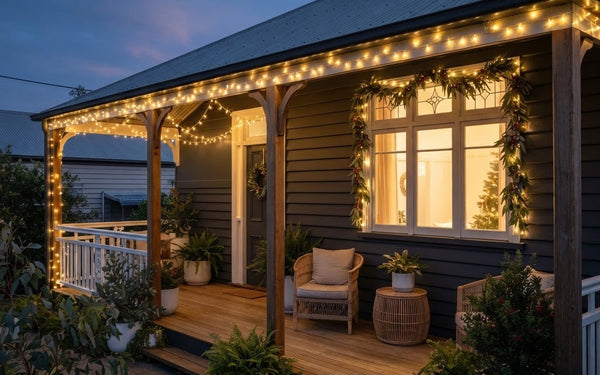
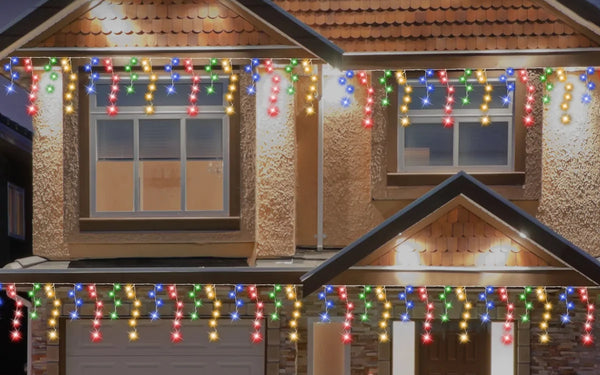
Christmas World's solar range covers every corner of the garden — pathway lights for driveways and walkways, icicle lights for eaves and verandahs, rope lights for fences and rails, and cluster lights wrapped through trees and shrubs.
Free shipping on orders over $199 — delivered Australia-wideFrequently Asked Questions — Solar Christmas Lights Care
How long do solar Christmas lights last?
The LED bulbs and panels typically last 5+ years with good care. The batteries are the wear item — expect to replace them every 1–2 seasons. With fresh batteries each year or two and proper storage, a quality set will light your garden for many Christmases.
Why do my solar lights stay on during the day?
The light sensor believes it's dark — usually from dirt or a protective film over the sensor, heavy shade over the panel, or a stuck test mode. Clean the sensor lens and relocate the light into open sunlight, and it will reset its day-night cycle.
Can I leave solar Christmas lights out in the rain?
Yes — quality solar lights are weather-resistant and designed for outdoor use through summer storms. Just avoid submerging them, keep water from pooling where the fan or sensor sits, and move portable figures and displays under cover during severe weather.
Can I use normal AA batteries in solar lights?
No — always use rechargeable batteries. Standard alkaline batteries can't handle the daily charging cycle, may leak, and can permanently damage the unit. Stick with 1.2V NiMH rechargeables matching the original capacity.
How many hours of sun do solar lights need?
Aim for at least 4 hours of direct sunlight daily for a full overnight charge. More sun equals longer, brighter run times — in peak Australian summer, well-positioned lights will often run 8+ hours a night.
Do solar lights need to be switched on to charge?
Most units charge fastest with the switch on, though some will trickle-charge while off. The safest approach is switching them on at installation and leaving them on — the light sensor handles the rest automatically.
Why are my solar lights dim even after a sunny day?
Check the panel isn't dirty or shaded, then test the batteries — fading brightness is the classic sign of a battery at the end of its 1–2 year life. Clean the panel first, replace the batteries second; that combination fixes the vast majority of dim lights.
How should I store solar lights between seasons?
Switch them off, remove the batteries, coil strings loosely around a spool, and store everything in a sealed container in a cool, dry place away from summer heat. Fit fresh batteries and recharge in the sun for a couple of days before next season.